

Article & News
Navigating the Pulse of Paradise: A Comprehensive Guide to Bali’s 2026 Traffic Landscape
April 20, 2026
DENPASAR - As Bali celebrates a spectacular tourism resurgence this April, with international arrivals nearing the one-million milestone, the island is once again a vibrant mosaic of culture and commerce. However, for the modern traveller, this renewed energy brings a familiar challenge: navigating the island’s unique and often complex traffic ecosystem. To ensure a seamless stay, understanding the shift in mobility patterns is essential for turning a potential commute into a scenic journey.
The Great Divide: Southern Bustle vs. Regional Serenity
The island’s traffic currently presents a tale of two distinct experiences. In the Southern Corridor, the popularity of hotspots like Canggu, Seminyak, and Denpasar has created a high-density environment. Travellers arriving at I Gusti Ngurah Rai International Airport should plan for a commute of 1.5 to 2.5 hours when heading toward Canggu during peak times. While iconic landmarks like Uluwatu and GWK remain accessible—particularly for those who set out with the morning sun—coastal routes to Labuan Sait and Melasti Beach remain consistently busy.
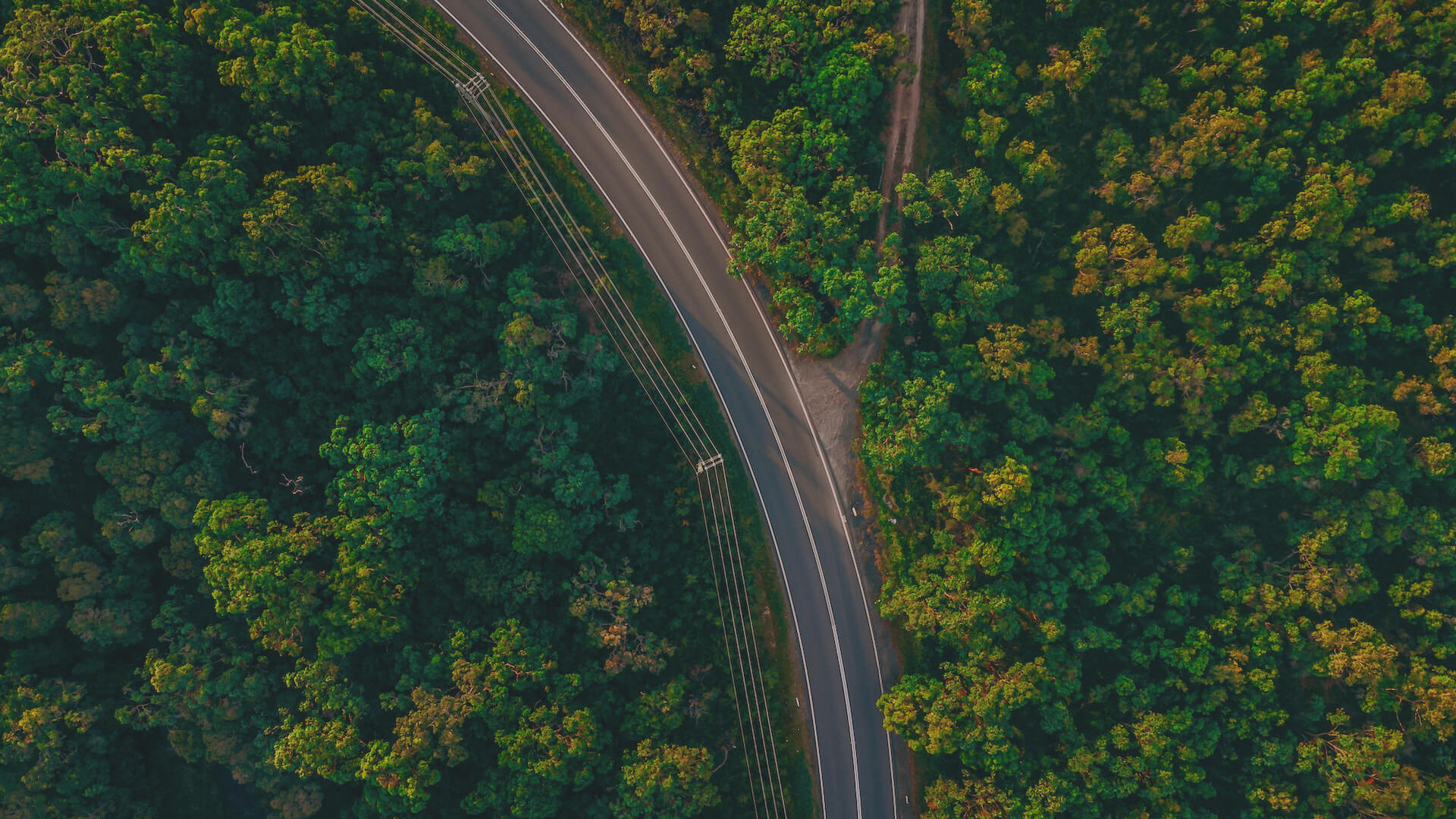
In stark contrast, a world of effortless exploration awaits those venturing beyond the metropolitan centre. The regencies of Gianyar, Bangli, Klungkung, Karangasem, Buleleng, and Tabanan offer remarkably fluid and free-flowing roads. These regions, the cultural heart of Bali, provide a tranquil driving experience along well-maintained arterial routes, making them perfect for those seeking the predictable travel times and pristine landscapes of the island's north and east.
The Logic of the Local Commute
Visitors often marvel at the sea of motorcycles weaving through the streets. This isn’t merely a cultural quirk but a strategic choice by the local workforce. In an island where infrastructure often retains the charming, narrow scale of traditional village roads, motorcycles offer the agility needed to bypass "bottlenecks" and access shortcuts that cars simply cannot. Combined with the current limited reach of public transit and the sheer economic efficiency of two-wheeled travel, the motorcycle remains the undisputed king of local productivity.
Expert Strategies for the Discerning Visitor
To navigate this dynamic environment with the grace of a local and the comfort of a VIP, strategic planning is paramount. Industry experts suggest three golden rules for 2026 travel:
- The Golden Hour: Aim to depart for inter-regional travel before 09:00 WITA. Avoiding the peak morning rush ensures you spend more time at your destination and less in transit.
- The Power of Local Expertise: While self-driving is an option, the nuanced "unwritten rules" of Balinese roads make a professional chauffeur the superior choice for safety and stress reduction.
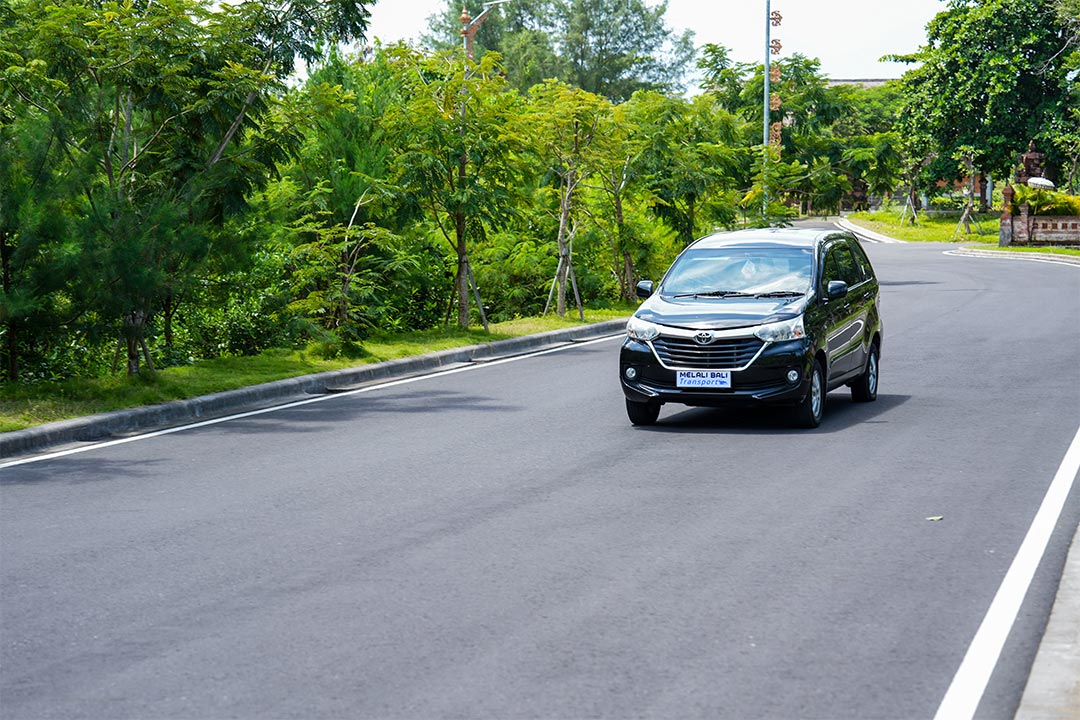
- Reliable Partnerships: For those requiring high-standard vehicles and drivers with an intimate knowledge of alternative routes, Melali Bali Transport remains the premier recommendation for reliable, corporate-grade mobility.
By understanding the rhythm of the roads, visitors can move beyond the "tourist trail" and experience the true depth of Bali—from its bustling southern beaches to the serene, open vistas of the highlands—with absolute confidence.
(Melali Media Team)