


Article & News
Bali Plans Electric Tram from Airport to Canggu, Opening a New Chapter in Tourism Mobility
September 3, 2026
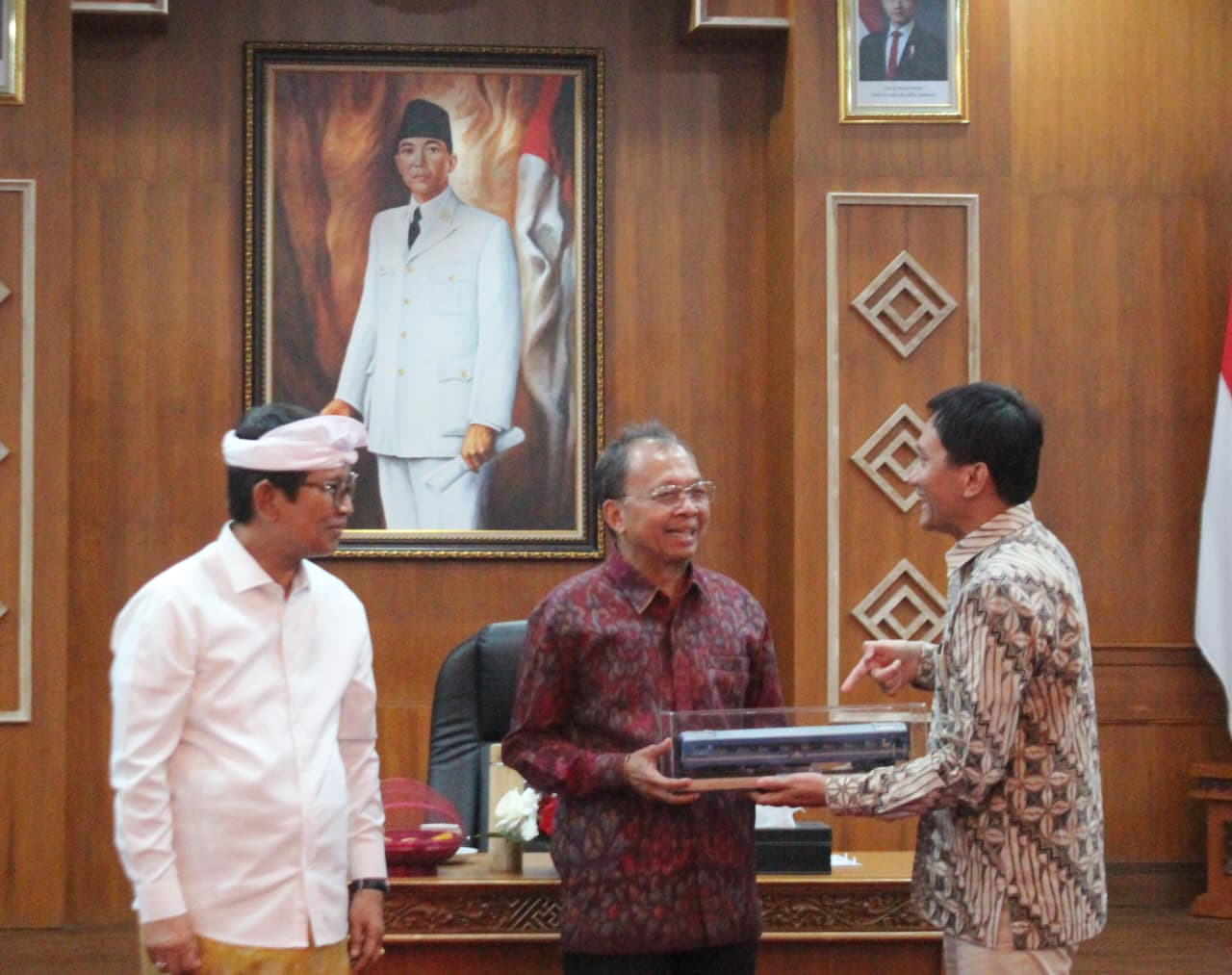
DENPASAR, BALI — Bali is preparing for a major transformation in tourism mobility with plans to develop a battery-powered electric tram connecting I Gusti Ngurah Rai International Airport with Canggu in Badung Regency.
The proposed 12-kilometre corridor is designed to provide a more efficient, comfortable and sustainable alternative to road transportation while helping address increasing congestion in Bali’s southern tourism corridor.
The Bali Provincial Government, Badung Regency Government and PT Kereta Api Indonesia (KAI) signed a cooperation agreement in Denpasar on 1 September 2026, marking an important step towards developing Bali’s future rail-based transportation network.
A High-Mobility Tourism Corridor
The Airport–Canggu corridor is one of Bali’s busiest areas, serving residents, workers and international visitors travelling between the airport and major tourism destinations.
According to reports from Indonesian media, approximately 150,000 people and 80,000 vehicles move through the area each day. The proposed tram is expected to provide a more predictable alternative to road travel, with the airport-to-Canggu journey projected to take around 30 minutes and services operating at approximately 10-minute intervals.
At full capacity, the system is expected to transport up to 60,000 passengers per day, potentially reducing pressure on Bali’s increasingly congested roads.
The proposed system will use battery-powered technology and will not require conventional overhead electrical cables along the entire route. Its relatively compact design and lower noise levels are considered suitable for Bali’s urban and tourism environment.
Comfort and Service Are Essential
Dr. Ketut Jaman, Co-Founder of Melali Bali Transport, said tourist mobility is particularly high across southern Bali, including the airport connections to Seminyak and Canggu, Uluwatu, Sanur and central Denpasar.
“Tourist mobility in southern Bali is exceptionally high. To provide a better travel experience, Bali needs mass transportation that is comfortable, clean and quiet, supported by friendly and professional transport staff who are able to communicate in foreign languages, at least English,” said Dr. Jaman.
He added that transportation should be viewed as an integral part of the tourism experience rather than simply a means of getting from one destination to another.
For international travellers arriving in Bali, the first journey from the airport is often their first direct interaction with the destination. A comfortable, reliable and welcoming transport experience can therefore help establish a positive impression from the beginning of their holiday.
Nearly Two Decades of Tourism Transport Experience
Dr. Jaman also highlighted Melali Bali Transport’s long-standing experience in serving international travellers.
As part of Melali Bali Group, the company has provided tourism transportation services for more than 19 years, supporting individual travellers, tour groups, corporate programmes, incentive trips, meetings and major international events.
Its operational experience also extends beyond Bali. During MotoGP activities in Lombok in 2021–2022, Melali Bali Transport coordinated a fleet of more than 200 vehicles to support transportation requirements for participants and stakeholders.
“This experience has shown us that international tourism transportation is not simply about providing vehicles. It requires reliable operations, professional drivers, careful coordination and an understanding of the expectations of travellers from different countries,” Dr. Jaman said.
Groundbreaking Targeted for March 2027
Bali Governor Wayan Koster has targeted March 2027 for the project’s groundbreaking, subject to the completion of technical studies, planning and stakeholder consultations.
The first section is targeted to begin operating in 2028, with the full Airport–Canggu corridor expected to be operational by 2029.
The project will require further technical assessments and consultation with local communities, traditional villages, tourism businesses and other stakeholders. This is particularly important in Bali, where new infrastructure must be carefully integrated with the island’s cultural identity and environmental values.
A New Opportunity for Integrated Tourism Mobility
For Bali’s tourism industry, the electric tram could become more than a solution to traffic congestion. It could form part of a wider integrated tourism transportation system, connecting the airport with hotels, tourism attractions, public transport, private transfers, tour services and last-mile mobility.
For destination management companies, tour operators and transport providers, this could create new opportunities to combine mass transit with personalised transportation services.
The success of the project will ultimately depend on connectivity, service quality and ease of use. If these elements are addressed effectively, the Airport–Canggu tram could help Bali move towards a transportation system that is more efficient, sustainable, visitor-friendly and better suited to the needs of an international tourism destination.
With groundbreaking targeted for March 2027, Bali is now moving closer to turning its vision of smarter and greener tourism mobility into reality.
(Melali Media Team)